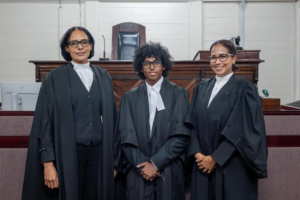
Trinidad and Tobago’s Same-Sex Criminalisation Laws Struck Down in Landmark Privy Council Ruling
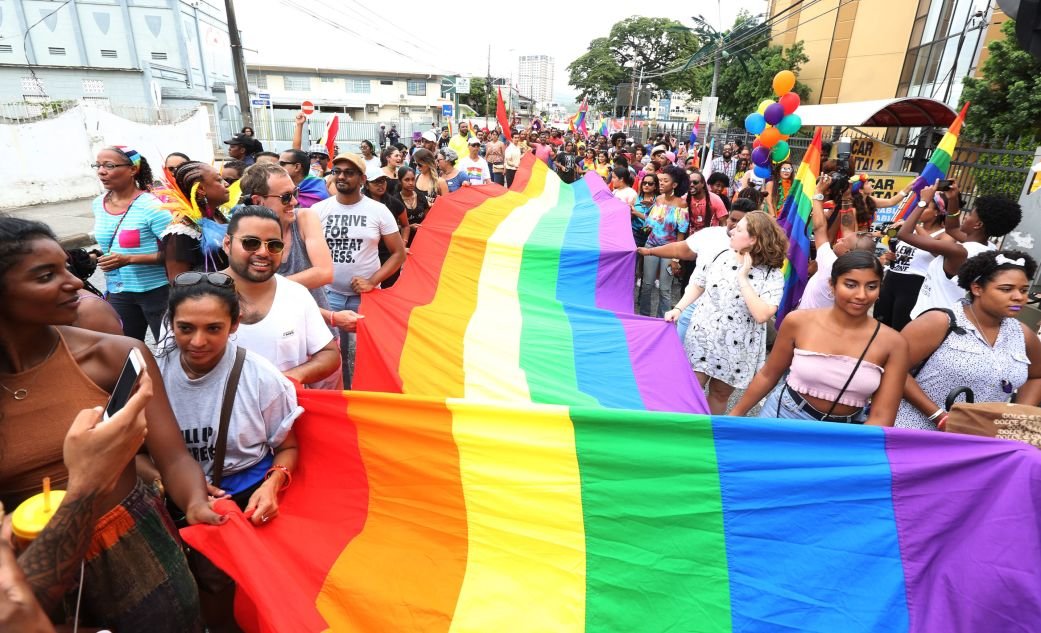
PORT OF SPAIN, TRINIDAD AND TOBAGO | November 10, 2026
Trinidad and Tobago’s longstanding laws criminalising consensual same-sex relations between adults have been declared unconstitutional by the Judicial Committee of the Privy Council, bringing an end to a nearly decade-long legal challenge and marking a significant development in the Caribbean’s ongoing debate over LGBTQ+ rights and constitutional protections.
In a unanimous judgment delivered on Tuesday, the London-based court, which serves as Trinidad and Tobago’s final appellate authority, ruled in favour of LGBTQ+ rights activist Jason Jones, overturning a 2025 Court of Appeal decision that had reinstated criminal penalties for certain consensual sexual activities.
The ruling concerned Sections 13 and 16 of the country’s Sexual Offences Act of 1986, which criminalised acts described in the legislation as “buggery” and “serious indecency.” Following the 2025 appellate decision, the applicable penalties included imprisonment of up to five years for buggery and two years for gross indecency.
Delivering the judgment, Privy Council Justice Philip Sales said laws criminalising private sexual activities between consenting adults could not be justified in a society that respects fundamental individual rights and freedoms.
The court determined that the disputed provisions infringed constitutional protections, particularly the right to respect for private and family life. It also rejected arguments that the legislation was shielded from constitutional challenge by provisions protecting laws inherited from the colonial period.
The decision represents the latest development in a legal battle initiated by Jones in 2017. In 2018, Trinidad and Tobago’s High Court ruled that the criminalisation of consensual same-sex relations was unconstitutional. However, the country’s Court of Appeal reversed that decision in March 2025, prompting Jones to seek a final determination from the Privy Council.
A central issue in the proceedings was whether the 1986 Sexual Offences Act could benefit from constitutional protections granted to legislation predating the country’s republican Constitution. The Privy Council concluded that the 1986 legislation introduced substantive changes and could not be insulated from constitutional scrutiny in the manner argued by the government.
The court also dismissed a cross-appeal brought by the Attorney General. Further written submissions have been invited before the court determines the precise form of its final remedial order.
Jones, who has campaigned for LGBTQ+ equality for years, welcomed the decision as a major victory for constitutional rights. His legal challenge has attracted attention across the Caribbean, where several countries continue to retain laws criminalising consensual sexual activity between people of the same sex.
The judgment also raises wider questions about the continuing influence of colonial-era legislation on modern Caribbean legal systems. Although several regional courts have overturned similar restrictions in recent years, laws criminalising same-sex intimacy remain in force in countries including Guyana, Jamaica, Grenada and St. Vincent and the Grenadines.
For Guyana, the ruling is particularly relevant to ongoing discussions surrounding constitutional protections, personal privacy and the continued existence of laws inherited from British colonial administration. However, the Privy Council’s decision does not automatically change Guyanese legislation, as Guyana recognises the Caribbean Court of Justice as its final appellate court.
The judgment is binding in Trinidad and Tobago and may provide persuasive legal reasoning in future constitutional challenges elsewhere in the region, depending on the laws and constitutional arrangements of individual countries.
While the ruling addresses the criminalisation of private consensual sexual activity, it does not resolve broader concerns about discrimination, social acceptance or legal protections for LGBTQ+ individuals.
The decision nevertheless represents a significant judicial development for Trinidad and Tobago, where the constitutionality of laws regulating consensual adult relationships has remained contested for nearly a decade.

STAFF WRITER
Senior journalist and investigative reporter for NewsGuyana24 covering national affairs, energy governance, and Caribbean diplomacy.
View All Articles By STAFF WRITER →