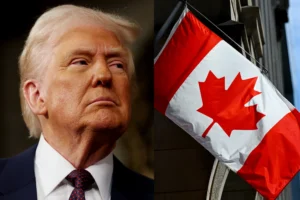
TRUMP CALLS FOR ZELENSKYY’S REPLACEMENT AS U.S.–RUSSIA FUEL DEAL SPARKS DIPLOMATIC ROW
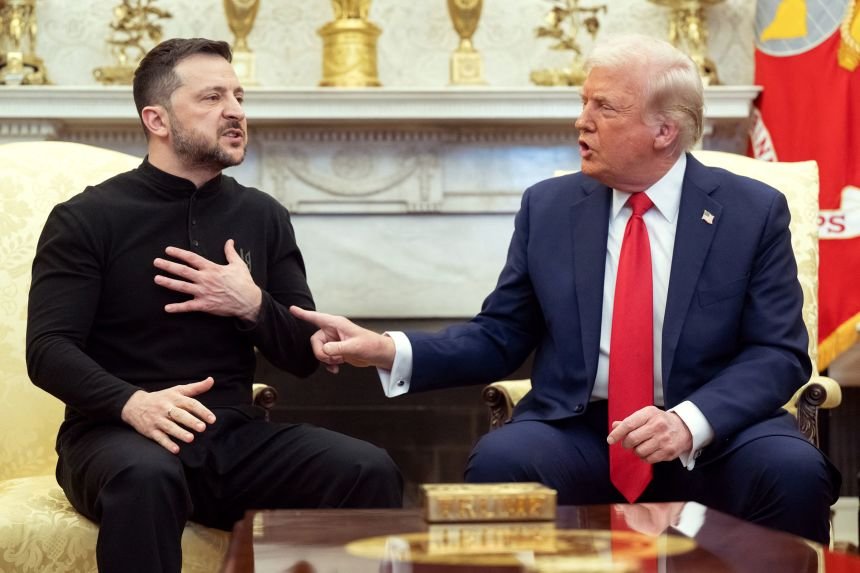
WASHINGTON, D.C. | OCTOBER 10, 2026 — U.S. President Donald Trump has called for Ukraine to replace President Volodymyr Zelenskyy, escalating tensions between Washington and Kyiv following a controversial agreement with Russia to ease restrictions on Russian diesel exports. Trump’s remarks came after Zelenskyy condemned the arrangement, warning that renewed energy revenues could help finance Moscow’s continuing war against Ukraine.
Speaking to reporters at the White House on Saturday, Trump accused Zelenskyy of failing to negotiate an end to the conflict, which began with Russia’s full-scale invasion in February 2022. He argued that Ukraine needed leadership willing to reach an agreement with Moscow.
“I suggest they get a new leader who can make a deal because he could have made many deals and for some reason he never does.”
Trump also blamed Ukrainian attacks on Russian oil refineries for contributing to rising diesel prices, arguing that the strikes were disrupting global fuel supplies. His administration has faced pressure over high energy costs ahead of the November U.S. midterm elections, while the ongoing conflict involving Iran has also contributed to disruptions in international oil markets.
The dispute intensified after Trump announced an agreement with Russian President Vladimir Putin that would allow Russian diesel to return to the American and international markets. According to Trump’s announcement, Russia would initially supply more than 300,000 tonnes of diesel, with additional shipments expected in November and subsequent months.
Zelenskyy strongly criticised the decision, arguing that easing economic restrictions would undermine international efforts to pressure Russia into ending the war. He described the arrangement as a benefit to Moscow at a time when Russian forces continued launching deadly attacks on Ukrainian cities.
“Allowing Russia to sell petroleum products is an investment in a war that must be ended, not prolonged.”
The diplomatic confrontation unfolded as Russian airstrikes struck residential buildings in the southern Ukrainian city of Zaporizhzhia on Saturday. Ukrainian officials reported that at least 20 civilians, including three children, were killed. Zelenskyy linked the attacks to his concerns about reducing economic pressure on Moscow, arguing that Russia could interpret sanctions relief as an opportunity to continue its military campaign.
European officials also expressed concern over the fuel agreement, warning that increased Russian energy revenues could strengthen Moscow’s ability to sustain the war. Germany reaffirmed its commitment to sanctions against Russia, while Ukrainian officials maintained that their country should determine its own political leadership.
The disagreement has added uncertainty to diplomatic efforts aimed at ending the conflict. Ukrainian and European representatives had been meeting with American negotiators in Miami to discuss a possible peace framework when the fuel arrangement was announced, reportedly without advance notice to Kyiv.
With peace negotiations stalled and attacks continuing, the latest exchange highlights widening differences between Washington and Kyiv over sanctions, energy security and the terms of a potential settlement with Russia.

STAFF WRITER
Senior journalist and investigative reporter for NewsGuyana24 covering national affairs, energy governance, and Caribbean diplomacy.
View All Articles By STAFF WRITER →